
Rekey or Replace Your Locks? How to Decide
When you want to change who can get into your home, you've really got two options: rekey the locks you already have, or replace them with new ones. Both make old keys stop working. They cost very different amounts, though, and picking the right one can save you real money. Here's how to decide.
What "rekeying" actually means
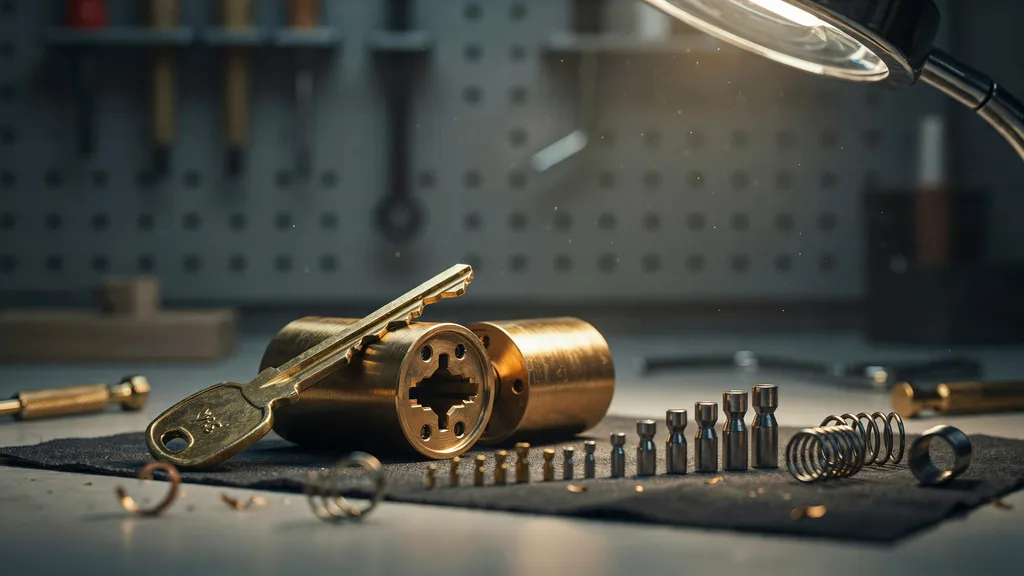
Inside every pin-tumbler lock is a set of little pins that only line up for the correct key. Rekeying is the process of changing those pins so a new key works and every old key doesn't, all without removing the lock from your door. The hardware stays; only the internals and your key change.
What "replacing" means
Replacing swaps the entire lock, physical hardware and all, for a new one. You'd do this when the lock is worn out, damaged, low quality, or when you simply want a different style, finish or a security upgrade like a smart lock.
When rekeying is the smart choice
- You just moved in. You have no idea how many old keys exist, previous owners, realtors, contractors, neighbors. Rekeying resets everything cheaply.
- You lost a key or one was stolen. Rekey the affected locks and that key is instantly worthless.
- You want one key for every door. As long as the locks are compatible, we can key them alike so a single key runs the whole house.
- Your locks are good quality and in solid shape. No sense replacing hardware that's working fine.
When replacing is worth it
- The lock is old, sticky or damaged. If it's already failing, throwing money at rekeying it is a temporary fix.
- You want better security. Upgrading from a flimsy knob to a solid deadbolt, or to a high-security or smart lock, means new hardware.
- The finish or style is dated and you're refreshing the door anyway.
- You've had a break-in. Damaged hardware should be replaced, not just rekeyed.
The cost difference
Rekeying is typically the cheaper path: you pay a service call plus a modest fee per cylinder, and the hardware you already own stays put. Replacing means paying for new locks on top of labor. For a whole house of decent locks, rekeying can cost a fraction of full replacement. For exact numbers, see our locksmith cost guide.
A quick decision checklist
- Locks in good shape + you just want new keys → rekey
- Locks worn, damaged or low quality → replace
- Want a security or smart-lock upgrade → replace
- Want every door on one key → rekey (if compatible)
Not sure? Ask a locksmith
Still on the fence? That's what we're here for. Tell us your situation and we'll give you both options and an honest recommendation, not just push the pricier one. Call (209) 689-2445 or learn more on our key cutting & rekeying page.
Rekey, replace, or not sure?
We'll look at your locks and give you the honest, cheaper-when-possible answer.