
The Most Common Lock Issues We See in Stockton Homes
Locks are easy to ignore, right up until they stop cooperating. After years of visiting homes across Stockton, we see the same handful of lock problems again and again. The good news: most are fixable, and many are avoidable. Here are the most common lock issues we run into, what causes them, and when it's smarter to repair than replace.
1. A sticky or stiff lock
You have to jiggle the key, lean on the door, or say a little prayer to get it to turn. Sticking is usually caused by dirt and grime inside the cylinder, a misaligned door, or an old lock that's simply worn. Sometimes a proper clean and lubricant fixes it; sometimes the cylinder is past its prime. Either way, don't ignore it, a lock that's hard to turn today is a lock that fails to turn tomorrow, often at the worst moment.
2. A key that won't turn (or turns but does nothing)
If the key goes in but won't rotate, the pins may be worn or the key itself may be a worn copy-of-a-copy. If it turns freely but the bolt doesn't move, the internal mechanism or the tailpiece connecting the cylinder to the latch has likely failed. Forcing it is how keys snap off. This one is worth a professional look before a stuck key becomes a broken key.
3. A door that won't latch
The lock works fine in your hand, but the door won't stay shut, or you have to slam it. Nine times out of ten this is alignment, not the lock: the latch and the strike plate on the frame no longer line up, often because the house has settled or the weather has swollen the door. Realigning the strike, adjusting hinges or fitting a new strike plate usually solves it, and restores your security, since a door that won't latch isn't really locked at all.
4. A loose or wobbly handle
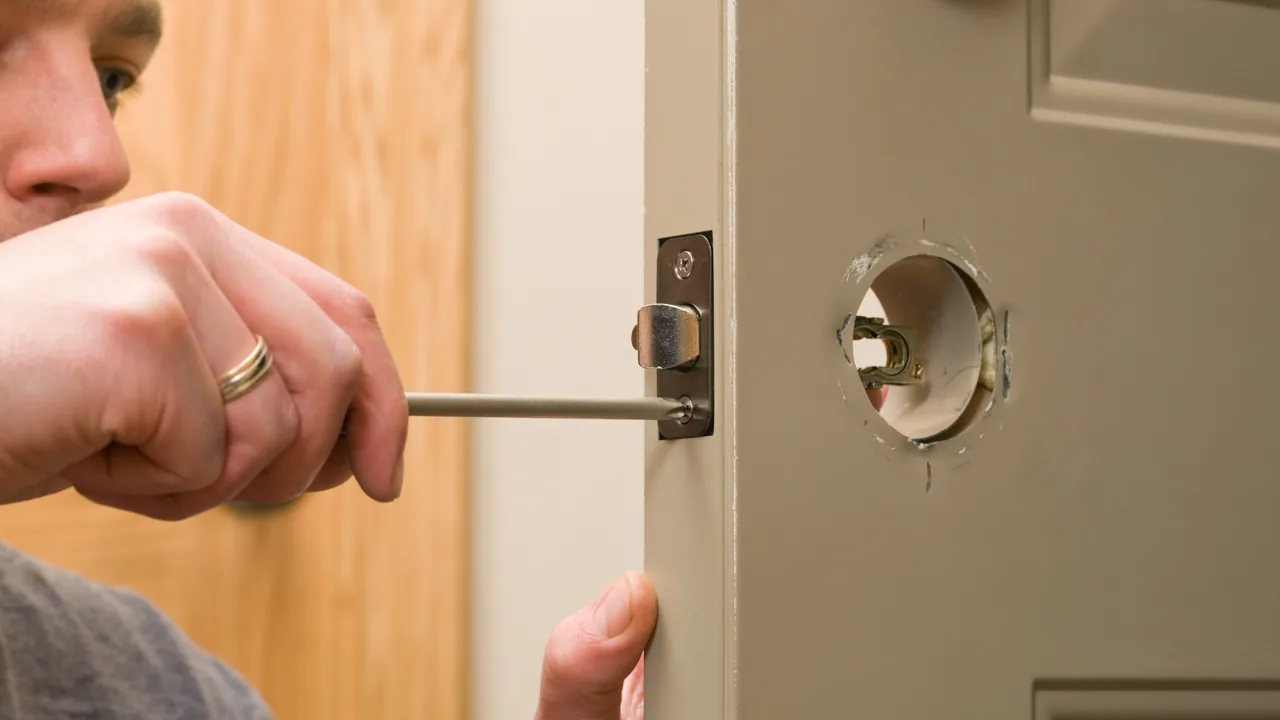
Handles and knobs work loose over time as screws back out with daily use. Caught early, it's a quick tighten. Left too long, the constant play wears the internal parts and can leave you with a handle that spins uselessly, or one that traps you on the wrong side of a door. A two-minute fix beats a lockout.
5. A worn-out or outdated lock
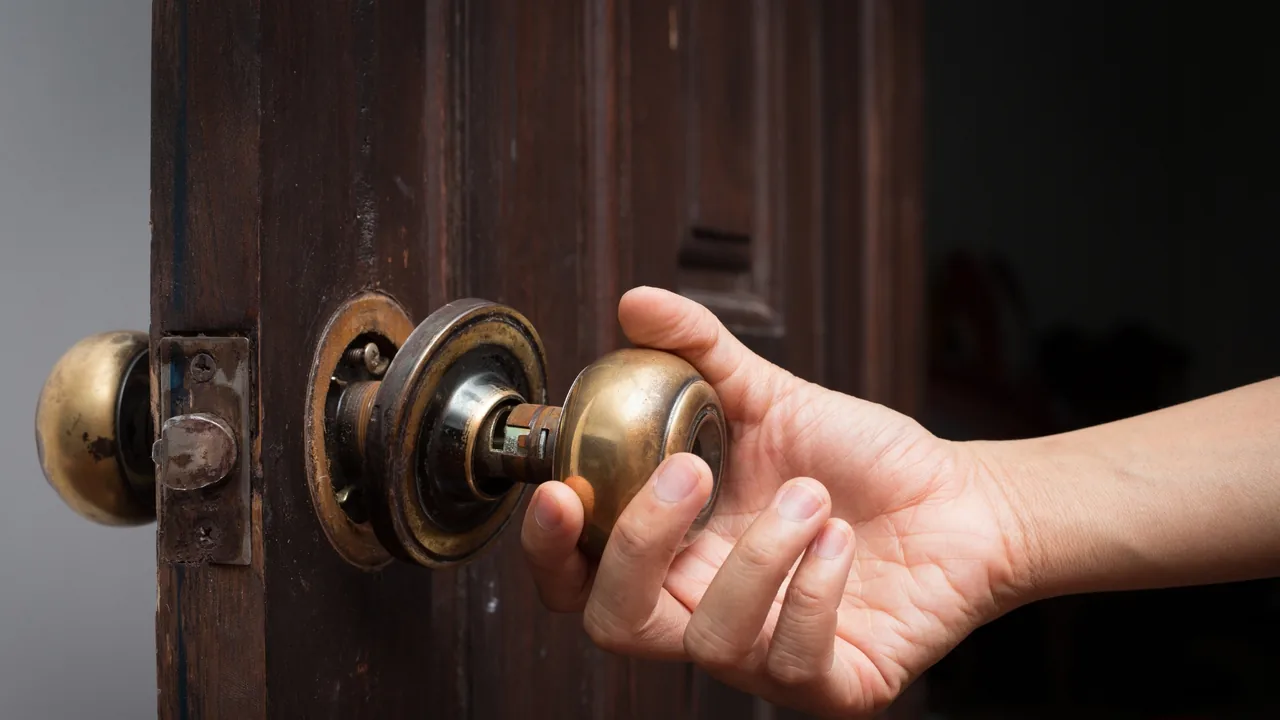
Old brass knobs and decades-old deadbolts have a certain charm, but many offer little real security and are near the end of their working life. If a lock is corroded, rattly or you're turning the key with two hands, it's usually time to replace it with a modern, solid deadbolt. It's one of the best-value home security upgrades you can make.
6. A broken key in the lock
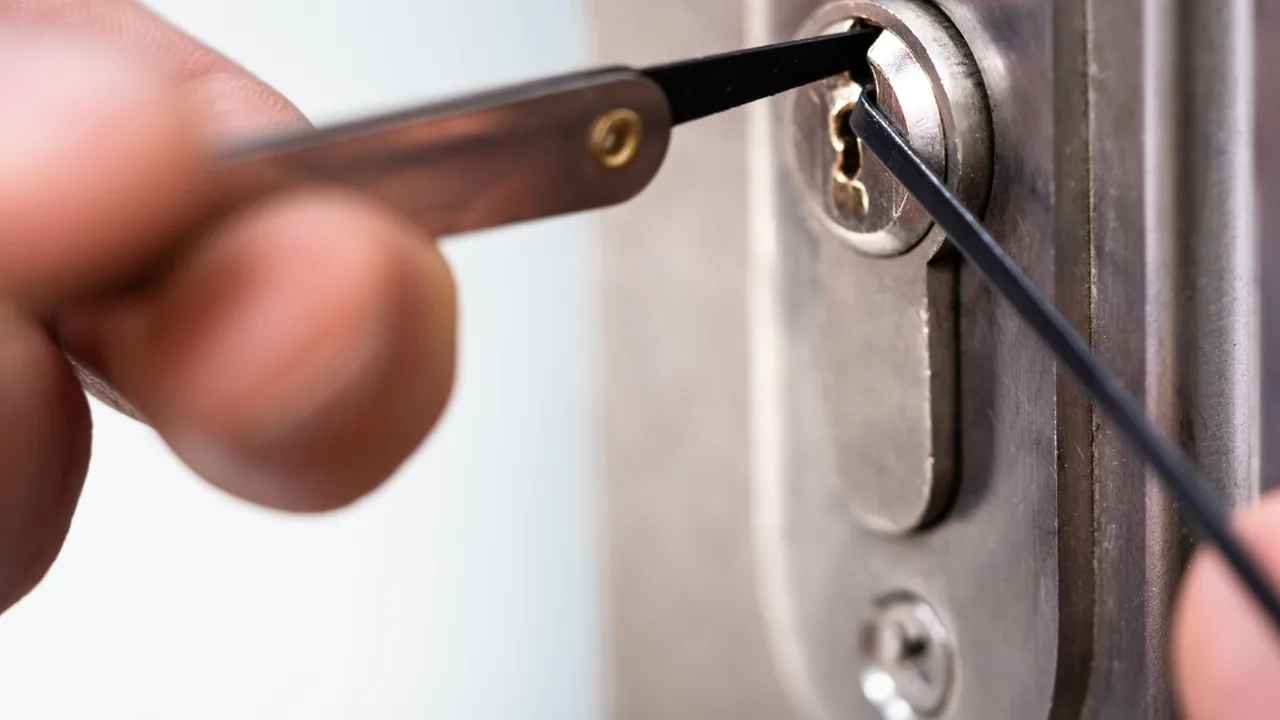
Worn keys and stiff locks are a bad combination, and eventually a key snaps off in the cylinder. Please resist the urge to dig at it with tweezers or superglue (yes, people try). A locksmith can extract the broken piece cleanly, cut you a fresh key, and check why it broke so it doesn't happen again.
Repair or replace? A quick rule of thumb
- Repair when the lock is decent quality and the issue is alignment, lubrication, a loose screw or a tired strike plate.
- Replace when the lock is old, corroded, low quality, or you want a security upgrade like a solid deadbolt or smart lock.
- Rekey (rather than replace) when the hardware is fine but you want new keys, for example after moving in. See our rekey vs. replace guide.
Catching problems early saves money
Almost every lock issue is cheaper and easier to fix before it fully fails. If a lock in your home is sticky, loose, or a door won't latch properly, it's worth a quick look now rather than an emergency later. We handle lock repair, replacement and rekeying across Stockton, call (209) 689-2445 or see our residential locksmith page.
Lock acting up?
Sticky, loose or a door that won't latch, we'll repair or replace it and get your home secure.